Falling for Pixels: The Billion-Dollar Business of Loving Anime Characters

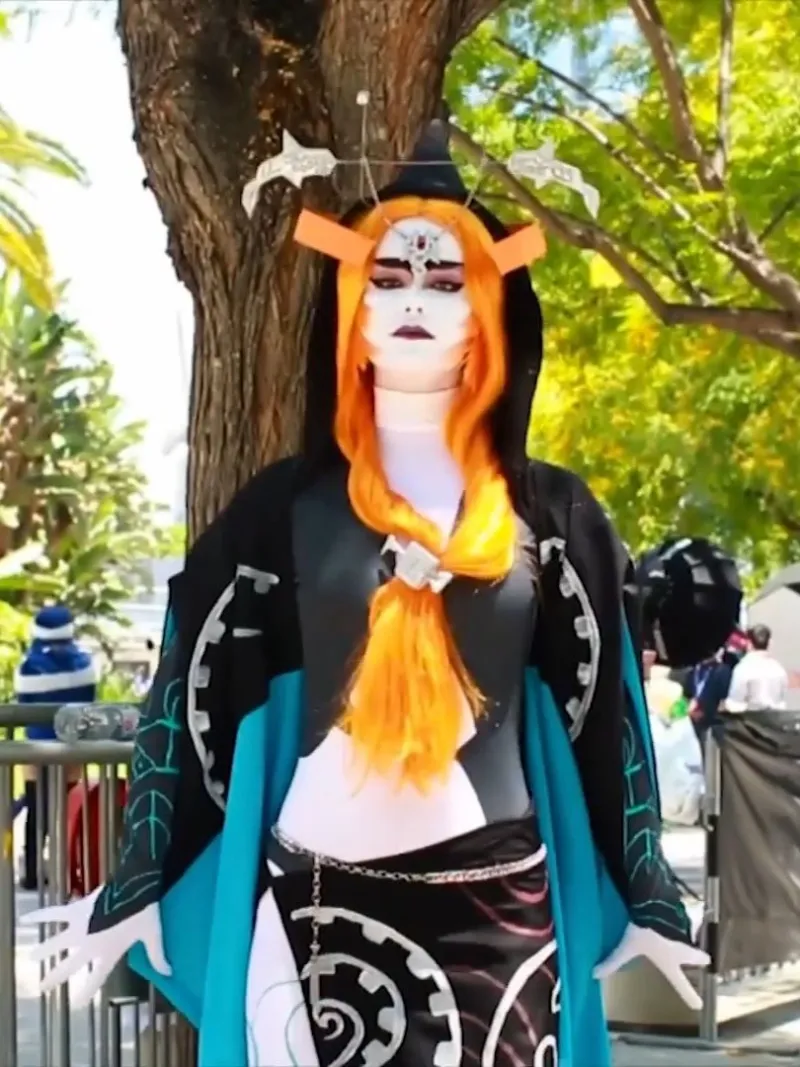
Photo: Original: Thiago Gomes Gonçalves Derivative work: Aristeas, CC BY-SA 4.0, via Wikimedia Commons
Let's be real for a second. If you've spent any time in anime fandom, you know someone — maybe it's even you — who has a favorite. Not a favorite show. A favorite character. The kind of favorite where you've bought the figure, you've set him as your phone wallpaper, and you low-key got a little emotional when his arc ended. No judgment here. That's kind of the whole point.
What's wild is that the industry built around that feeling has quietly grown into something enormous. We're talking billions of dollars globally, with a slice of that pie getting bigger every year right here in the US. Character merchandise, otome games, AI chat companions, voice actor fan events — it's an entire economy running on the fuel of parasocial attachment. And it's not slowing down.
The Numbers Don't Lie (And They're Kind of Staggering)
The global anime merchandise market was valued at over $26 billion in 2023, and analysts expect it to keep climbing. Dating simulation games — many of them centered on idealized male love interests — have seen explosive growth in Western markets, with titles like Obey Me! and Ikemen series racking up millions of downloads in North America alone. Apps like Replika, which lets users build a customizable AI companion, reported over 10 million users at their peak, with a significant portion describing their relationship with their AI in romantic terms.
Then there's the physical stuff. Body pillows featuring anime characters sell out within hours of release. Limited-edition figures can go for hundreds of dollars on the secondary market. "Boyfriend experience" voice dramas — audio content where a character speaks directly to the listener as a romantic partner — have become a legitimate content category on platforms like YouTube and dedicated apps.
This isn't a fringe phenomenon anymore. It's a market.
So Who's Actually Buying?
The stereotype of the lonely guy in a basement doesn't hold up when you look at the actual demographics. A significant portion of the audience for romance-focused anime content and character merchandise in the US skews toward women and LGBTQ+ fans. Otome games — visual novels designed around female protagonists pursuing male love interests — have a devoted following that crosses age groups and income brackets.
Take Maya, a 27-year-old marketing coordinator in Chicago who asked us to use only her first name. She's spent somewhere north of $400 on merchandise related to a single character from a fantasy anime. "It sounds unhinged when you say it out loud," she admits, laughing. "But it's not really about thinking he's real. It's more like... he represents something. A type of care and attention I find genuinely comforting to engage with."
That framing — the character as a symbol or an emotional anchor rather than a literal relationship — is how a lot of fans describe it. But developers are increasingly designing products to blur that line on purpose.
The Architecture of Attachment
Game designers and app developers who work in this space are extremely deliberate about the psychology they're building on. Otome game studios have gotten sophisticated about what makes a player feel genuinely seen by a fictional character — variable dialogue responses, memory systems that recall your choices, storylines that reward emotional investment over time.
AI companion apps have taken this further. Some now integrate with anime-style avatars and allow users to set their companion's personality, backstory, and even "relationship status." The monetization model is telling: most of these apps are free to download but charge for deeper intimacy features. Want your AI boyfriend to remember your birthday? That's a subscription tier.
"We think a lot about what loneliness actually feels like and what fills it," one developer at a mobile game studio — who asked not to be named due to company policy — told us. "The goal is to create a consistent presence. Something that feels like it knows you."
That consistency is a big part of the appeal, especially post-pandemic. Real relationships are complicated, unpredictable, and emotionally risky. A well-designed fictional companion is available at 2 a.m., never cancels plans, and always responds the way the user needs.
Is This Actually Fine, Though?
Psychologists are divided, and honestly, the conversation is more nuanced than the usual "parasocial bad" headlines suggest.
Dr. Sarah Fields, a therapist based in Portland who works with young adults and has studied media attachment, sees real benefits for some users. "For people who experience social anxiety or who are in isolated situations, these kinds of attachments can function as a low-stakes space to practice emotional availability," she explains. "The problem isn't the attachment itself — it's when it becomes a substitute that actively prevents someone from seeking real connection."
The distinction she draws is between supplemental and replacement. Using a dating sim to unwind after a stressful week? Probably fine. Canceling plans with actual humans because your AI companion "needs" you? That's worth examining.
There's also a community dimension that often gets ignored in these conversations. Fans who bond over shared love for a character — through fan art, fanfic, Discord servers, convention meetups — are building genuine social connections. The fictional boyfriend is sometimes just the entry point into a very real community.
The Loneliness Economy Is Real
Here's the uncomfortable context that nobody in the industry wants to lead with: the US is in the middle of a documented loneliness crisis. The Surgeon General issued an advisory on it in 2023. Young adults report fewer close friendships, less community belonging, and more social isolation than previous generations. Into that gap, an entire entertainment economy has stepped with a very polished product.
That's not an accusation — it's just the landscape. And fans aren't passive victims of it. Most of the people spending money in this space are doing so with clear eyes about what they're buying. "I know he's not real," Maya says, referring to her favorite character. "But the feeling he gives me is real. And I think that matters."
She's not wrong. Emotions don't stop counting because their source is fictional. Literature has always known this. Anime just figured out how to monetize it at scale.
Where This Goes Next
The next frontier is already here. AI companions are getting more sophisticated by the month. Virtual reality is starting to enter the picture, with immersive "date" experiences featuring beloved characters in development at multiple studios. Voice synthesis technology means your favorite character can now, technically, say your name.
Whether that's exciting or deeply weird probably depends on where you're standing. But it's happening, and the market is only going to get more creative about finding ways to meet people in that space between longing and entertainment.
At FuziMoto, we're not here to tell you how to feel about your fictional favorites. We're just pointing out that those feelings are now worth billions of dollars — and that says something interesting about all of us, not just the fans.