Gone Without Warning: The Messy Truth Behind Anime Disappearing From Your Streaming Queue
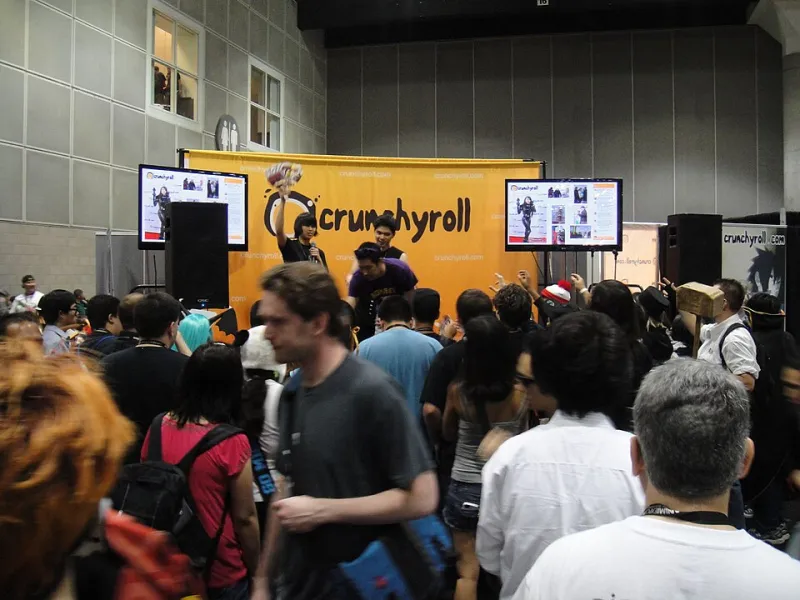
Photo: The Conmunity - Pop Culture Geek from Los Angeles, CA, USA, CC BY 2.0, via Wikimedia Commons
It happens to almost every anime fan at some point. You're three episodes deep into something genuinely great — maybe a mid-2000s classic someone in your Discord server swore you'd love, maybe a newer seasonal show you'd been putting off — and you open your app one afternoon to find an empty slot where that series used to live. No email. No pop-up. Just gone, like it never existed.
This isn't a glitch. It's the anime streaming industry working exactly as designed. And that design, frankly, is kind of a mess.
Licensing Is the Invisible Hand Ruining Your Watch Queue
Here's the part nobody really explains when you sign up for Crunchyroll or Funimation or whatever service you're currently paying for: the anime you're watching isn't owned by the platform. It's licensed. There's a difference, and that difference matters a lot.
When a streaming service licenses a title, they're basically renting it for a set period — maybe a year, maybe three, sometimes less. When that contract expires, the service has to renegotiate or let it lapse. If the original Japanese rights holders want more money, if a competing platform swoops in with a better offer, or if a corporate merger suddenly reshuffles who owns what, the title disappears from your library overnight.
And in the anime world specifically, rights situations can get complicated. A single show might have its music licensed separately from its video content. Dub rights and sub rights sometimes belong to different companies. International distribution deals from the early 2000s are often a legal patchwork that nobody fully untangled before the streaming era made everything urgent.
The Platform Wars Made It Worse
For a hot minute, it looked like the anime streaming wars were going to be great for fans. Competition between platforms meant more content being licensed, more shows getting dubbed, more niche stuff becoming accessible. And honestly, some of that played out. The library available to US fans today is dramatically larger than what existed even a decade ago.
But then came the consolidation. Crunchyroll and Funimation merged under Sony. HBO Max cycled through anime partnerships and dropped them. Netflix started aggressively pursuing exclusives. Amazon Prime quietly holds licenses to shows it barely promotes. The result isn't a thriving ecosystem — it's a fragmented nightmare where any given series might be on four different platforms depending on whether you want subs, dubs, or specific seasons.
Worse, exclusivity deals sometimes mean a show is only available in certain regions. A title that's on Crunchyroll in Japan might be locked to a different service entirely in the US, or might not be legally streamable here at all. Regional restrictions don't just affect obscure titles either. Beloved, critically acclaimed series regularly hit walls at the US border because of how rights were carved up years before streaming was even a consideration.
What This Actually Costs Fans
The frustration isn't just inconvenience. There's a real cultural cost here that doesn't get talked about enough.
Anime fandom in America has always been built around shared experience — watching the same shows, referencing the same scenes, building community around mutual obsession. When licensing chaos means half your friend group can't legally access a series you're watching, that shared experience breaks down. You can't exactly host a watch party for something that's only technically available if you subscribe to three separate services and also happen to live in the right state.
There's also a preservation problem. Older titles — particularly stuff from the '80s and '90s — exist in legal limbo. Rights holders have changed hands, companies have folded, and some shows genuinely have no clear path to legal streaming in the US. For younger fans who came up on streaming and never built physical media collections, this means entire eras of anime history are effectively invisible.
The Piracy Pipeline Nobody Wants to Talk About
Here's the uncomfortable reality: when legal options disappear, fans don't stop watching. They just watch differently.
Piracy in the anime community has a long and honestly complicated history. Fansubs — fan-created subtitle translations — were the primary way Western audiences accessed anime for decades before legal streaming existed. The ethics of it were always murky, but the community around fansubs is part of why anime has the passionate fanbase it does in the US today.
Licensing chaos is actively pushing people back in that direction. When a show vanishes from every legal platform simultaneously, the conversation in fan spaces shifts almost immediately to where you can still find it. Fan archiving projects — groups dedicated to preserving rips of shows before they disappear — have seen renewed interest. Private Discord servers share access to content that's technically unavailable through official channels.
This isn't something most fans are proud of. The argument that piracy hurts creators is real and valid. But the counterargument — that impossible-to-navigate licensing structures are leaving fans with no reasonable alternative — is also real. The industry created these conditions. Fans are just responding to them.
Are There Any Actual Solutions?
Some. None of them are perfect.
Physical media is making a quiet comeback among dedicated fans precisely because of streaming instability. If you own the Blu-ray, nobody can license it away from you. Limited-edition releases from companies like Discotek Media have found an enthusiastic audience among fans who've been burned by disappearing digital libraries one too many times.
Some rights holders have gotten better about digital purchase options. Buying a show on Vudu or Apple TV doesn't guarantee it'll be there forever either — digital storefronts have their own history of removing content — but it's a step toward ownership rather than access.
On the industry side, there's been some movement toward longer licensing windows and clearer communication about expiration dates. Crunchyroll has occasionally given advance notice before titles leave the platform, which is genuinely appreciated even if it doesn't solve the underlying problem.
And there's a slow-building conversation among fans about advocating for better structures — pushing back against exclusive deals, supporting smaller distributors who specialize in bringing obscure titles to legal platforms, and making noise when beloved series become inaccessible.
The Bigger Picture
The anime streaming chaos isn't happening in a vacuum. It's part of a broader reckoning with how digital media works — who controls it, who profits from it, and what happens to cultural artifacts when corporations treat them as line items rather than art.
For anime specifically, there's something particularly frustrating about watching a medium that survived decades of being treated as niche, weird, and unmarketable finally break into mainstream American culture — only to have access to it become a corporate chess game. Fans did the work of building this audience. The least the industry could do is make it possible to actually watch the stuff.
Until that changes, keep your external hard drive handy. And maybe don't put off finishing a series you love. You never know how long it's going to be there.