Subs, Dubs, and the Identity Crisis Nobody Asked For: Inside Anime's Weirdest Culture War
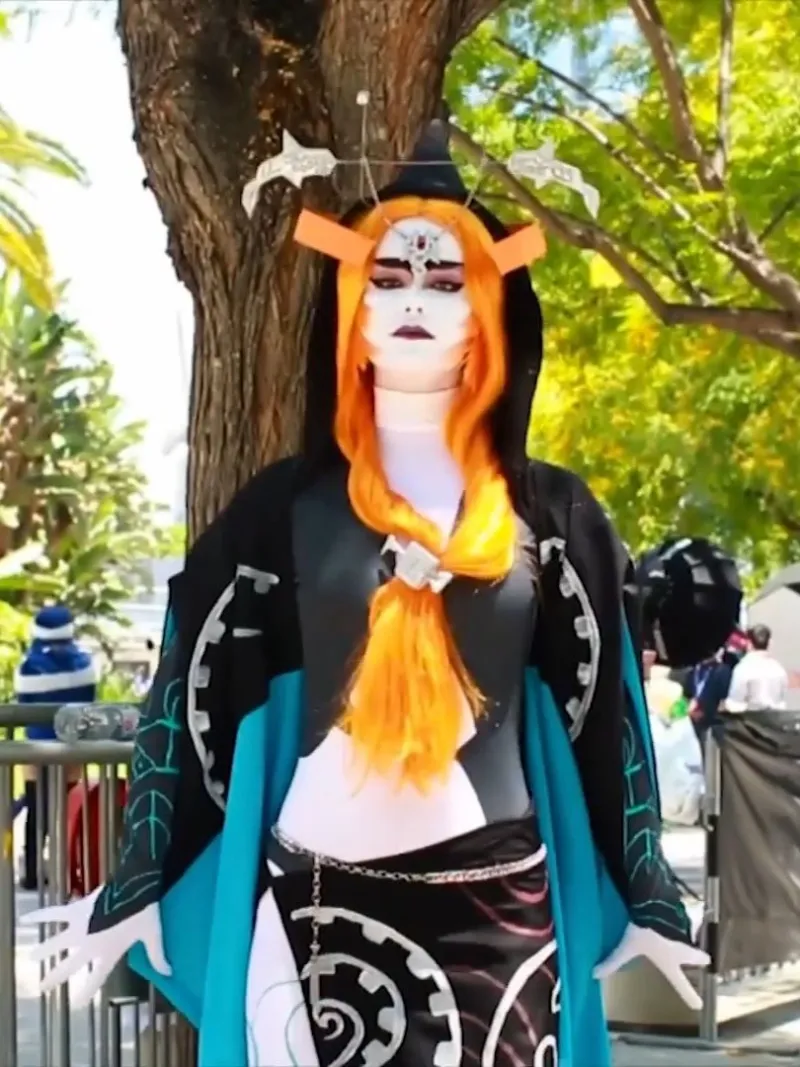
Photo: RealTDragon, CC BY 3.0, via Wikimedia Commons
Let's be real for a second. At some point in your anime journey, somebody made you feel bad about how you watch it. Maybe you admitted you prefer the English dub and got the slow, disappointed head shake. Maybe you watched with subtitles and got accused of being a snob. Either way, you've felt it — that weird social pressure attached to something as low-stakes as which audio track you pick.
But here's the thing: the dub vs. sub debate in 2024 isn't really about audio quality anymore. It hasn't been for a while. What it's actually become is a full-blown proxy war over authenticity, accessibility, and who gets to gatekeep the fandom. And somehow, it's getting stranger by the month.
How We Got Here (The Extremely Compressed Version)
For a long time, the argument was pretty straightforward. Early English dubs were, to put it charitably, a disaster. Think 4Kids-era butchering of One Piece, where a character's literal cigarette became a lollipop. Fans who sought out subtitled versions were often watching fuzzy fansubs on their laptops at midnight, and that experience built a certain kind of identity — you were the serious fan, the one who wanted the real thing.
Dubs improved dramatically over the years. Studios like Funimation started treating voice acting as a legitimate craft, and the gap in quality narrowed significantly. But the cultural baggage stuck around long after the actual problem was mostly solved.
Then streaming happened, and everything got reshuffled.
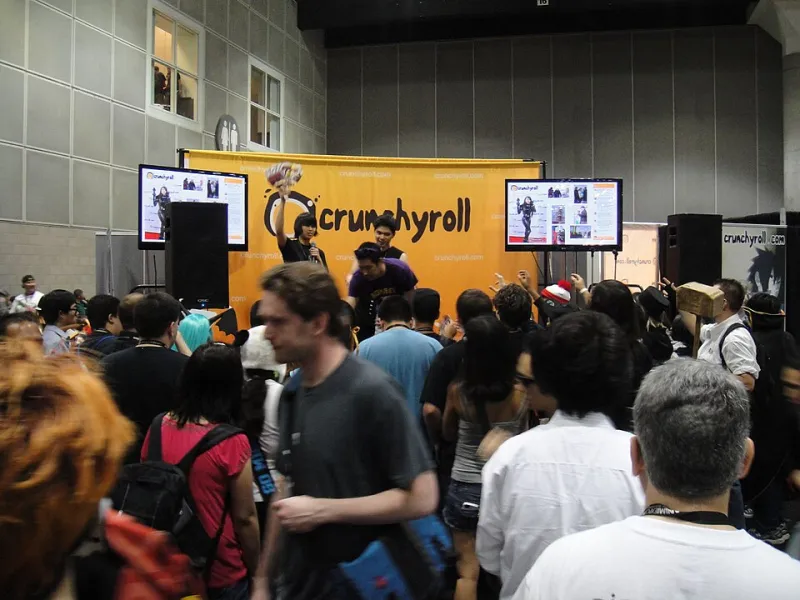
The Netflix and Crunchyroll Effect
When anime exploded on mainstream streaming platforms, it pulled in millions of new viewers who had zero history with fansub culture. For a huge portion of the current American audience, their first anime experience was watching Attack on Titan or Demon Slayer on a big TV with the English dub playing automatically because that's just what the platform defaulted to.
These viewers aren't making an ideological choice. They're just watching TV the way they always have. And that completely disrupts the old hierarchy.
Crunchyroll and Netflix have also started releasing dubbed versions simultaneously — or close to it — with the Japanese broadcast. That used to be impossible. The argument that subs were inherently more "current" or "authentic" gets a lot shakier when the dub drops the same week.
Some longtime fans have actually welcomed this shift. Others have... not.
TikTok Made It Weird (Again)
If streaming reshuffled the deck, TikTok lit the deck on fire and posted the video.
Anime content on TikTok has an enormous reach, and a lot of it is driven by dubbed clips. A dramatic scene from Jujutsu Kaisen, a funny moment from My Hero Academia — these go viral in English because that's the language most American viewers engage with first. The dubbed voice actors have fan bases now. Like, real ones. People have parasocial relationships with English voice actors the same way they do with J-pop artists.
This has created a genuinely new dynamic where dub-first fans aren't just casually preferring convenience — they're actively invested in the English-language version as their version. And that investment is running headfirst into the older community's sense that the Japanese audio is the canonical experience.
The comment sections are something else, honestly.
The Accessibility Argument That's Changing the Conversation
Here's where it gets interesting and, frankly, where the debate stops being fun to laugh at and starts being worth taking seriously.
A growing number of voices — particularly from disability communities and advocates — have started pushing back hard on sub elitism, and they make a compelling case. Subtitles are not accessible to everyone. Viewers with certain visual impairments, cognitive processing differences, or reading difficulties may genuinely have a better experience with dubbed content. Dismissing dubs as the lazy or lesser option effectively tells those viewers that their way of engaging with anime is inferior.
That reframe has landed differently for a lot of people. It's one thing to argue about artistic purity. It's another to realize your hill-to-die-on opinion was accidentally exclusionary.
This doesn't mean the accessibility argument wins every debate automatically, but it's introduced a layer of nuance that the old "subs or you're not a real fan" crowd wasn't really prepared for.
The Generational Split Is Real
Spend any time on anime forums or Discord servers and you'll notice the age gap pretty quickly. Fans who came up through the fansub era — roughly anyone who was watching in the early-to-mid 2000s — tend to have stronger feelings about the sub side of things, even if they've mellowed over the years. The cultural memory of why subs mattered is baked into their relationship with the medium.
Newer fans, particularly those who got into anime through social media or mainstream streaming in the last five years or so, often find the whole debate baffling. They'll switch back and forth between audio tracks without ceremony. They might watch the first episode dubbed, switch to subs because a friend recommended it, and not feel any particular way about either choice.
To the older guard, that's indifference. To the newer crowd, it's just... normal? Like choosing whether to watch something in 4K or HD. A preference, not a moral stance.
Where Does This Leave Us?
Honestly? In a more interesting place than you might expect.
The dub vs. sub debate used to be about quality, then it became about authenticity, and now it's tangled up in accessibility, platform design, generational identity, and social media virality all at once. That's messier, sure, but it also means the conversation has more dimensions than it used to.
The best take — and yes, we're going to give you one — is that the medium wins when both options are genuinely good. Push for better dubs. Push for more thoughtful subtitle translation. Push back against gatekeeping that tells newcomers they're doing it wrong before they've even finished their second series.
Watch how you want to watch. Let other people do the same. And maybe, just maybe, save your energy for actually arguing about whether the Fullmetal Alchemist: Brotherhood dub is better than the original series dub. (It is. Sorry.)
The culture war part of this debate has always been the least interesting part. The anime itself is right there, waiting.