Beyond the Big City: How Smaller Anime Cons Are Stealing the Spotlight
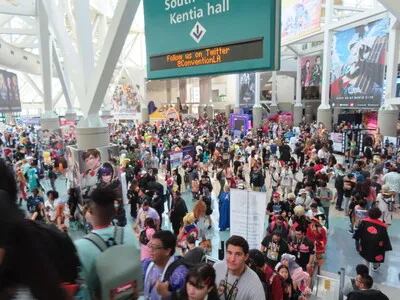
Photo: anime convention cosplay crowd mid-size city event hall, via www.animenewsnetwork.com
For years, the anime convention calendar revolved around a handful of giant events. Anime Expo in Los Angeles. New York Comic Con. Otakon in DC. These were the pilgrimages every self-respecting fan was supposed to make at least once — the Meccas of merch tables and cosplay hallways and panel rooms packed so tight you couldn't breathe without inhaling someone else's wig spray.
But something shifted. Quietly, without a lot of fanfare, a different kind of con scene started bubbling up across the country's middle. And now? It's kind of impossible to ignore.
The Numbers Don't Lie
Look at attendance trends over the last few years and you'll notice something interesting. While the mega-cons still pull massive crowds, growth has plateaued in some of the biggest markets. Meanwhile, regional events in cities like Columbus, Ohio; Austin, Texas; and Denver, Colorado have been posting year-over-year jumps that would make any event organizer's jaw drop.
Columbus's Ohayocon, for example, has grown from a scrappy regional gathering into a serious destination event drawing attendees from multiple surrounding states. Austin's AnimeFest has carved out a devoted following that rivals cons twice its size in terms of community enthusiasm. And Denver's conventions have benefited from a Rocky Mountain fan base that's been underserved for years and is absolutely starving for local options.
The reasons are pretty straightforward when you think about it. Attending Anime Expo means flights, hotels, and navigating a convention center the size of a small country — all for the privilege of waiting in lines that could age you noticeably. A regional con a few hours' drive away? That's a totally different math.
What Organizers Are Doing Differently
Here's the thing about smaller cons that doesn't get talked about enough: the organizers are often superfans themselves. They're not corporate events companies running anime cons the same way they'd run a boat show. They're people who grew up going to these events, got frustrated with how impersonal the big ones felt, and decided to build something better.
That DIY energy translates into programming that actually reflects what fans care about right now. You'll find panels on niche genres that Anime Expo would never greenlight because the audience is too small. You'll find indie artists in the dealer's room who can't afford a table at the bigger shows. You'll find cosplay competitions judged by people who actually understand the craft rather than whoever's available to fill a seat.
Some mid-size cons have also gotten genuinely creative with their guest booking. Instead of chasing the same rotation of voice actors who appear at every major event, they're bringing in creators, directors, and international guests who rarely make the US convention circuit at all. For fans who want something beyond the standard autograph session experience, that's a huge deal.
The Vibe Is Just Different
Ask anyone who's been to both a 100,000-person mega-con and a solid regional event, and they'll usually say the same thing: the smaller ones just feel better. There's a warmth to them. A sense that everyone there genuinely wants to be there, not just because it's the thing you do if you're an anime fan.
At a big con, you're a number. You get a badge, you get a tote bag, you get herded through corridors by volunteers who look like they'd rather be anywhere else. At a mid-size con, you might actually have a real conversation with a guest. You might end up at an after-party where you meet people who become actual friends. The parasocial loneliness that can creep into fandom spaces at the massive events is a lot harder to sustain when the crowd is human-sized.
There's also something to be said about accessibility. Not everyone can drop $500 or more on a con weekend in a major city. Regional events lower that barrier significantly, which means the fan base skews younger and more diverse — people who are just getting into anime, people who don't have the disposable income for a full destination trip, people from smaller towns who've never had a local fandom gathering before.
The Next Generation Might Skip the Mega-Con Entirely
This is the part that should probably make the big convention organizers a little nervous. Younger anime fans — we're talking Gen Z and the cohort just behind them — are forming their primary fandom attachments at regional events, online communities, and through social media. For a lot of them, Anime Expo isn't a dream destination. It's an overwhelming, expensive, somewhat intimidating thing that older fans talk about.
If your first convention experience is a well-run 8,000-person event in your home state where you actually make friends and feel like part of a community, why would you then spend three times the money to attend something ten times the size where you'll feel like a tourist?
The mega-cons aren't going anywhere — they're too established, too commercially important, and too embedded in anime culture's mythology to just disappear. But their status as the only legitimate convention experience? That's genuinely being challenged right now.
What This Means for Fandom Overall
Honestly, the rise of mid-size cons might be one of the healthier things happening in anime fandom right now. The centralization of fan culture around a few massive events always carried risks — it made the community feel exclusive, expensive, and geographically limited. The spread of strong regional cons means more people get to participate, more local scenes get to develop their own identities, and the whole ecosystem becomes more resilient.
Cities that build strong local con cultures also tend to develop stronger local anime communities in general. More clubs, more watch parties, more local creators making fan art and cosplay and content. The convention becomes a catalyst for something that persists year-round rather than a once-a-year pilgrimage.
So if you haven't checked out what's happening in your corner of the country lately, it might be worth a look. The next great anime con experience might not require a plane ticket after all.