Anime Music Is Everywhere — So Why Is Buying It Such a Nightmare?
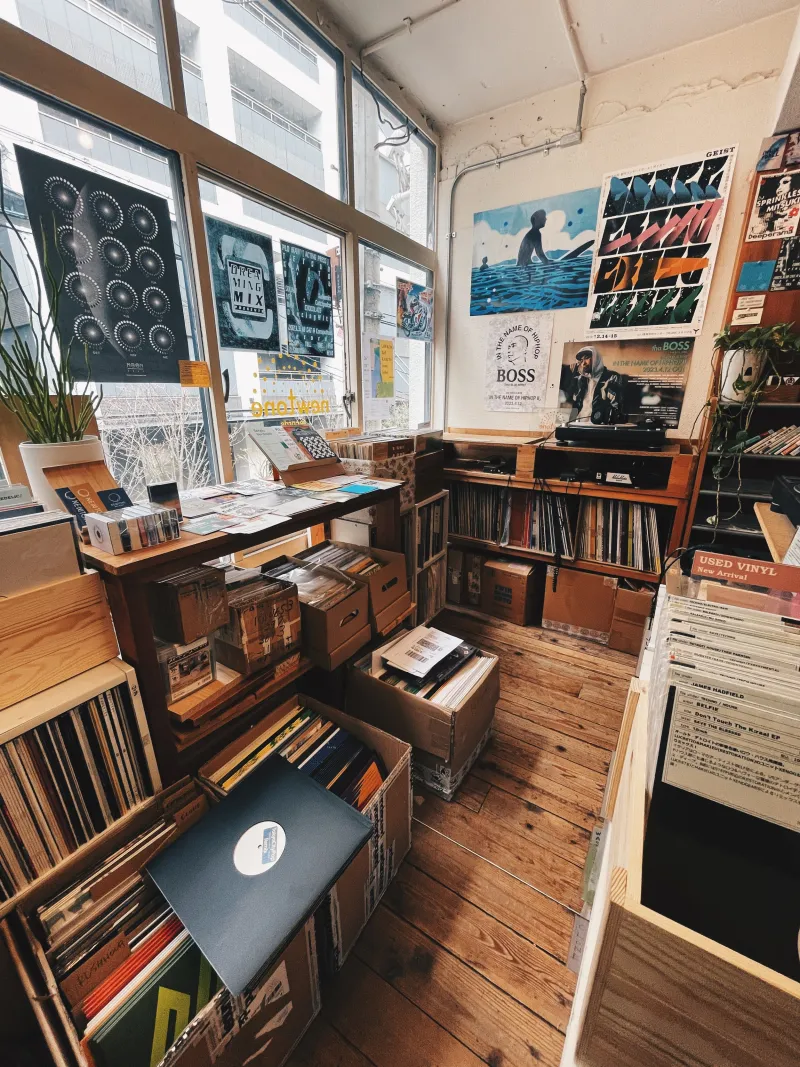
Photo: vinyl record collection Japanese music store shelves, via images.squarespace-cdn.com
Let's set the scene. You just finished a show that absolutely wrecked you emotionally. The final episode ends, the credits roll, and that one piece of background music — the one that played during the scene — burrows straight into your brain and refuses to leave. You open Spotify. Nothing. You check Apple Music. A couple of tracks, maybe, if you're lucky. You Google the official soundtrack release. It exists! Great! Oh, it's a Japanese import vinyl pressing that costs $85 before shipping, and the restock date is listed as "undetermined."
Welcome to anime music in America, where the fandom is massive and the access is... not.
The Price Tag Nobody Warned You About
Anime has never been more mainstream in the US. Shows are breaking Netflix records, characters are showing up on Target shelves, and opening themes are racking up hundreds of millions of streams. But the economics of actually purchasing anime music haven't caught up with the cultural moment — not even close.
Official soundtrack albums from major titles routinely retail between $40 and $100 on import sites, and that's before you factor in international shipping costs that can tack on another $20 to $30. Limited edition releases — think special packaging, bonus discs, or vinyl pressings — can easily crack $120 or more. For a lot of fans, that's genuinely a significant chunk of a paycheck, not an impulse buy.
So why so expensive? The short answer is that the Japanese music industry operates on a fundamentally different model than what American consumers are used to. Physical media still dominates in Japan in a way it simply doesn't here. Labels price albums for a domestic market that has historically supported those price points, and international distribution is often treated as an afterthought rather than a priority. Licensing deals with US streaming platforms are complicated, slow-moving, and frequently incomplete — meaning even when a show is fully available on Crunchyroll or Netflix, chunks of its soundtrack might be missing, region-locked, or just... gone.
The Secondary Market Is Having a Moment (For Better or Worse)
Nature abhors a vacuum, and so does fandom. When official channels fail people, unofficial ones fill the gap — and the secondary market around anime music has exploded as a result.
Disc Union, CDJapan, and eBay have become go-to hunting grounds for fans willing to pay a premium for physical copies. Rare pressings of soundtracks from beloved older titles can fetch jaw-dropping amounts — we're talking $200, $300, sometimes more for a single album. Collector communities on Reddit and Discord have essentially built entire economies around tracking down, trading, and reselling these releases, with price guides and authentication tips passed around like insider knowledge.
Vinyl has added another layer of chaos to the whole situation. The global vinyl revival hit anime music too, and Japanese pressing plants are producing limited runs of iconic OSTs that sell out almost instantly. By the time US fans even hear about a release, it's already gone — and flipping to a reseller becomes the only realistic option. It's the sneaker drop model applied to music, and it creates the same frustrating cycle of hype, scarcity, and inflated aftermarket prices.
Not everyone is thrilled about this ecosystem. Plenty of fans argue that the secondary market actively discourages labels from expanding access, since the perception becomes that "dedicated" fans will pay whatever it takes. Others point out that the money flowing through resale isn't going back to composers or studios at all — it's just enriching flippers.
Fans Are Pushing Back — Loudly
Here's the part where the story gets interesting. Anime fans in the US aren't just grumbling on forums anymore. There's a growing, organized push to pressure both Japanese labels and Western streaming platforms into doing better.
Petitions demanding complete soundtrack availability on platforms like Spotify have racked up thousands of signatures. Fan accounts on social media regularly call out the gap between a show's streaming popularity and its music library's sorry state. Some communities have taken to tagging labels and streaming services directly, flooding comment sections with requests for specific albums or tracks.
There's also a more creative form of resistance happening. Fan-made arrangements, covers, and remixes have become a kind of workaround culture — a way of keeping beloved music alive and accessible even when official versions aren't available. YouTube channels dedicated to anime OST uploads operate in a legal gray area, constantly at risk of takedown but serving millions of listeners who simply have nowhere else to go. It's a fragile solution, but it speaks to how desperate the demand actually is.
Some smaller labels and composers have started to notice. A handful of artists have begun releasing music directly through Bandcamp or partnering with US-based distributors to reach international audiences without the traditional label bottleneck. It's not the norm yet, but it's a crack in the wall.
What Streaming Platforms Owe the Culture
There's a reasonable argument that the biggest streaming platforms — the ones actively profiting from anime's American boom — have a responsibility to do more here. Crunchyroll licenses entire libraries of shows. Netflix drops massive budgets on exclusive anime productions. Spotify and Apple Music are perfectly capable of negotiating complex international licensing deals when they want to.
The question is whether anime music is seen as worth the effort. And increasingly, fans are making the case that the answer has to be yes. The audience is there. The demand is demonstrably real. The argument that anime OSTs are niche content doesn't hold up when a single track from a popular series can go viral on TikTok and rack up millions of plays in a week.
What's missing isn't interest — it's infrastructure and will. Labels need to prioritize international digital distribution. Streaming platforms need to push harder on licensing negotiations. And honestly, US fans deserve better than having to choose between a $90 import and a sketchy YouTube rip.
The Bottom Line
Anime music is having a genuine cultural moment in the US, and the industry's response has been to mostly shrug and keep selling $80 vinyl pressings to whoever can afford them. That gap between cultural relevance and actual accessibility isn't sustainable, and fans know it.
The pressure is building. Whether it translates into real change depends on how loud the community gets — and how seriously labels and platforms decide to take an audience that's clearly not going anywhere. For now, the hunt continues, the prices stay wild, and somewhere out there, someone is paying $110 for a soundtrack CD because they loved a show that much.
Honestly? We get it. But it shouldn't have to be this hard.