Who Gets to Be an Anime Fan? The War Over the Welcome Mat

Photo: Ganesh Mohan T, CC BY-SA 4.0, via Wikimedia Commons
Somewhere between the third season of Demon Slayer trending on TikTok and your coworker casually dropping "Jujutsu Kaisen" into a Monday morning conversation, something shifted. Anime stopped being a niche hobby whispered about in high school hallways and became, well, just... culture. And not everyone who was there from the beginning is thrilled about it.
The gatekeeping debate in anime communities isn't new — but it's louder than ever. And with Netflix pumping out simulcasts, TikTok edits racking up hundreds of millions of views, and Hot Topic stocking Chainsaw Man hoodies, the question of who "really" belongs in the fandom has become genuinely complicated.
The Old Guard vs. The Algorithm Kids
If you've spent any time in anime Reddit threads, Discord servers, or even just the comments section of a YouTube AMV, you've seen it play out. Someone mentions they got into anime through Attack on Titan or Spy x Family on Netflix, and within seconds there's a reply asking if they've "even seen anything from the 90s" or whether they know who Satoshi Kon is.
For longtime fans — people who were tracking fansub release schedules in the early 2000s, importing DVDs, or staying up past midnight to catch Adult Swim broadcasts — there's a real sense of investment. They discovered anime when it wasn't cool. When it meant fielding weird looks and explaining to relatives why you were watching "cartoons." That history feels like it means something.
"I spent years being the weird kid because I liked this stuff," says Marcus, a 29-year-old from Atlanta who's been watching anime since middle school. "Now it's everywhere, and half the people talking about it online have only seen like four shows. It's not gatekeeping to want some depth in the conversation."
Fair enough. But here's where it gets messy.
When 'Depth' Becomes a Door Slam
There's a difference between wanting meaningful discussion and using your watch history as a bouncer. And increasingly, newer fans — especially younger viewers who came in through social media — are pointing out that the "have you watched enough" test often functions less like quality control and more like exclusion.
Jordan, 21, from Chicago, started watching anime during the pandemic after a My Hero Academia edit went viral on her For You Page. "I got really into it. Like, actually obsessed. I started going back and watching older stuff — Fullmetal Alchemist, Cowboy Bebop, all of it. But when I tried to join fan communities, I felt like I had to prove myself constantly. It was exhausting."
That experience is more common than the old guard might want to admit. And it raises a real question: if someone loves anime but doesn't have a decade of context, are they less of a fan? Most people would say no — but community behavior often says otherwise.
Discord, Conventions, and the Spaces In Between
The gatekeeping debate doesn't live in the abstract. It plays out in real, specific spaces — and those spaces have real consequences for how welcoming the community actually feels.
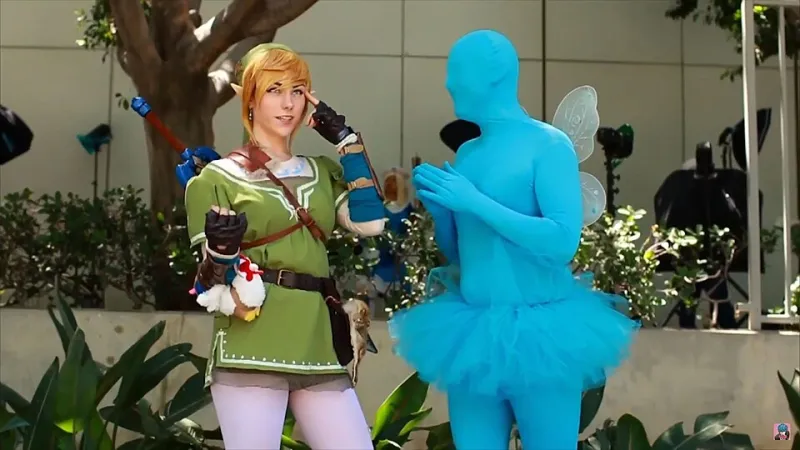
Anime conventions like Anime Expo and Otakon have become massive mainstream events. Attendance has ballooned, cosplay has gotten more elaborate and diverse, and panels now cover everything from competitive viewing clubs to mental health in shonen storytelling. That growth is undeniably exciting. But longtime attendees sometimes describe a sense of loss — like the intimate, inside-joke energy of early cons has been replaced by something more like a general pop culture festival.
On the flip side, Discord servers dedicated to specific series often function as the most active and genuinely passionate fan spaces around. Some of the best anime discourse happening right now is coming from people who've been watching for less than two years. They're not burdened by nostalgia — they're just excited.
The tension isn't really about knowledge. It's about identity. For a certain generation of fans, being into anime was a core part of how they defined themselves as outsiders. When that identity goes mainstream, it can feel like something was taken, even if nothing actually was.
Does Gatekeeping Actually Hurt the Industry?
Here's a practical angle worth considering: gatekeeping doesn't just affect vibes. It potentially affects the business of anime itself.
The Western anime market has grown dramatically, with streaming revenues and merchandise sales hitting record highs. That growth is largely driven by casual fans — the people who watch a few shows a year, buy a hoodie, attend a con once. If those fans feel consistently unwelcome in community spaces, they disengage. And disengaged casual fans become ex-fans, which means fewer dollars flowing back to studios and distributors.
More inclusivity isn't just the nice thing to do — it might actually be the smart business move for a fandom that wants to keep growing.
What Inclusivity Actually Looks Like
This isn't a call for everyone to pretend all anime is equally good or that context doesn't matter. Nuanced criticism and deep knowledge are valuable. The community is richer when people bring different levels of expertise to the conversation.
But there's a version of this where someone who discovered anime last year through Jujutsu Kaisen is welcomed in, pointed toward classics they might love, and allowed to contribute their genuine enthusiasm without being quizzed first. That version of the community is better for everyone.
The fans who've been here longest have something real to offer — history, context, recommendations that go beyond the algorithm. The question is whether they're willing to share it generously, or hold it like a credential.
Anime was always, at its core, about stories that made you feel something. That hasn't changed. And honestly? The more people who feel that way, the better.