Peanut Butter Custard Surprise and Other Anime Translation Crimes Against Humanity
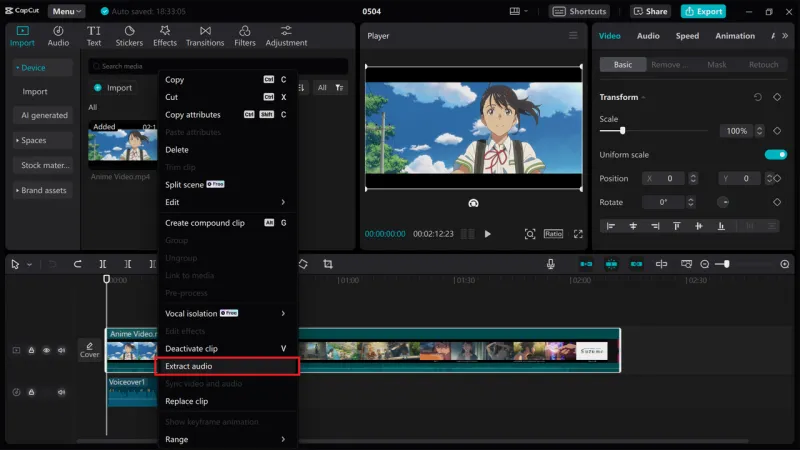
Photo: anime subtitles translation dubbing recording studio, via p16-capcut-va.ibyteimg.com
If you grew up watching dubbed anime in the late '90s or early 2000s, there's a decent chance your first experience with Japanese storytelling was... not exactly authentic. Characters had their names changed to sound more American. Onigiri became donuts. Death was rebranded as "the Shadow Realm." And somewhere, in a recording booth in Los Angeles or New York, a voice actor was delivering lines that had almost nothing to do with what was actually written in the original script.
Localization — the process of adapting a foreign-language piece of media for a new audience — has always been complicated. But anime localization, specifically for the Western market, has produced some of the most bewildering, occasionally hilarious, and sometimes genuinely upsetting translation choices in entertainment history. Here's a look at how things went wrong, why they went wrong, and how the industry quietly rebuilt itself into something a lot more thoughtful.
The Wild West Era: When Dubbing Was Basically Fan Fiction
Let's start with the gold standard of localization chaos: 4Kids Entertainment. If you were a kid in the US during the early 2000s, 4Kids was the company responsible for bringing you Pokémon, Yu-Gi-Oh!, and One Piece — all of which arrived in America... significantly altered.
One Piece is probably the most notorious case. 4Kids licensed the show in 2004 and proceeded to cut entire episodes, change character names, replace the original score with a completely different soundtrack, and — most infamously — edit out any references to death, alcohol, or cigarettes. Villains who smoked in the original had their cigarettes replaced with lollipops in post-production. A character who died was declared to have been "sent to the ocean floor" instead. The resulting dub was so divorced from the source material that Funimation eventually relicensed the series and started over almost entirely.
4Kids' approach wasn't malicious — it was a product of the era's assumptions about what American kids could handle and what parents would tolerate. But those assumptions did real damage to the stories being told, and fans noticed.
The Onigiri Incident (And Why Food Is Surprisingly Political)
Food localization deserves its own conversation. For years, the standard practice was to replace any Japanese food with an American equivalent on the theory that Western audiences wouldn't recognize it. The result was some genuinely surreal moments.
In early Pokémon dubs, Brock's onigiri — rice balls, a completely normal Japanese snack — were repeatedly called "jelly-filled donuts" by the English voice cast, despite looking nothing like donuts. The joke became a meme long before memes were a thing, and it's now a shorthand for the entire era of clumsy localization thinking.
The logic at the time was audience accessibility. If kids in Ohio don't know what an onigiri is, won't they be confused? The counterargument — which the industry eventually came around to — is that exposure to unfamiliar foods and cultural practices is actually part of what makes anime valuable to international audiences. It's a window into a different way of life. Replacing that window with a donut closes it.
Censorship That Made No Sense Even By Its Own Logic
Beyond food, the censorship decisions of the early localization era often followed a logic that was hard to track even at the time. Sailor Moon's North American dub, handled by DiC Entertainment in the '90s, changed the relationship between Sailor Uranus and Sailor Neptune — a canonically romantic couple — into cousins. The result was a pair of "cousins" who were constantly holding hands, gazing into each other's eyes, and acting in ways that were, to put it gently, extremely not-cousin-like. The edit meant to reduce LGBTQ+ content instead accidentally created something much weirder.
Similarly, Dragon Ball Z's early American broadcasts cut or altered scenes involving death and violence, which created continuity problems when characters who were supposed to be dead kept showing up without explanation. The attempt to sanitize the content actually made the story harder to follow.
How the Industry Course-Corrected
The shift toward more faithful localization didn't happen overnight, but a few key factors pushed it along.
First, the internet. As fans gained access to fansubs — unofficial subtitle translations made by volunteer communities — they could compare the original Japanese content to what was being broadcast in America. The gap was often shocking, and fans were vocal about it. Online forums became spaces where localization choices were dissected, criticized, and mocked. Studios started paying attention.
Second, the growth of the adult anime market. As companies like Funimation, Viz Media, and eventually Crunchyroll built out their catalogs, they recognized that a significant chunk of their audience was adults who wanted accuracy, not a sanitized version of a story. That audience was willing to pay for quality — for sub options, for uncut releases, for dubs that respected the source material.
Third, the translators themselves pushed for better practices. Modern anime localization involves teams of translators, cultural consultants, and dubbing directors who treat the work as a genuine craft. The goal has shifted from "make this feel American" to "make this feel authentic while being accessible." That's a much harder job, but the results speak for themselves.
Where Things Stand Today
Current English dubs of major releases — Demon Slayer, Chainsaw Man, Spy x Family — are widely praised for their quality. Voice acting has leveled up dramatically, scripts are closer to the original Japanese, and cultural references are typically explained rather than erased. Studios now routinely release both dubbed and subtitled versions simultaneously, giving audiences options that simply didn't exist twenty years ago.
That said, localization is still an art, not a science. Jokes that rely on Japanese wordplay don't always survive translation. Honorifics and cultural context still require judgment calls. And every so often, a choice gets made that sparks a new round of debate online.
But compared to the lollipop-cigarette, donut-onigiri, cousins-who-are-clearly-not-cousins era? The industry has come an incredibly long way. And honestly, the disasters were kind of worth it — if only because they gave us a decade's worth of material to laugh about.