From Fan to Funded: How Anime Obsessives Are Building Real Careers Out of Pure Passion
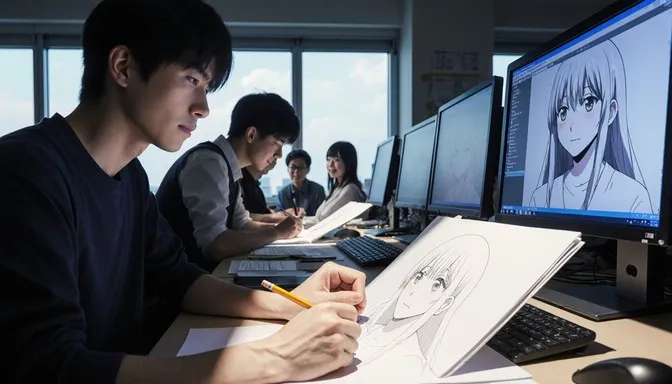
Photo: young creative artist working on anime illustration at desk with dual monitors, via images.stockcake.com
Not too long ago, telling someone you were really into anime felt like a social liability. You kept it quiet at work, maybe mentioned it carefully around new friends, and definitely didn't put it on your resume. Fast forward to right now, and that same passion is funding mortgages, full-time creative studios, and surprisingly healthy savings accounts.
The anime industry in North America isn't just growing — it's exploding. According to the Association of Japanese Animations, the global anime market topped $25 billion in recent years, and US fans are a massive slice of that pie. Where there's a market, there are people figuring out how to get paid. And a whole lot of those people started out just like you: rewatching the same episodes, debating sub vs. dub, and spending way too much on figures they swore they'd stop buying.
So how exactly are everyday fans turning that energy into actual income? Let's break it down.
The VTuber Pipeline Is Real (and It's Hiring)
If you haven't fallen down a VTuber rabbit hole yet, buckle up. Virtual YouTubers — streamers who perform behind illustrated anime-style avatars — have become one of the fastest-growing entertainment formats in the world. Agencies like Hololive and Nijisanji have massive US fanbases, but the indie VTuber scene is where a lot of American fans are carving out their own space.
Take someone like a mid-tier indie VTuber pulling 2,000 to 5,000 viewers per stream. Between Twitch subscriptions, Patreon tiers, merchandise drops, and YouTube ad revenue, that's a viable income — not "quit your day job immediately" money for everyone, but absolutely supplemental income that can grow. The barrier to entry is lower than people think: a decent microphone, some streaming software, and a commissioned avatar from one of the thousands of artists who specialize in exactly this.
And speaking of those artists...
Character Designers and Commission Artists Are Booked Solid
The demand for anime-style illustration work in the US has never been higher. Character designers, background artists, and commission-based illustrators are fielding requests from VTubers, indie game developers, Webtoon creators, and brands trying to tap into anime aesthetics. Platforms like Ko-fi, Patreon, and even Etsy have become storefronts for artists who once posted their work just for clout.
The hustle is real, though. Most successful commission artists will tell you it took years of consistent posting, community engagement, and refining their style before the money got comfortable. Twitter (or X, whatever we're calling it), Instagram, and TikTok are all viable discovery platforms, but the artists who seem to thrive longest are the ones who built genuine communities around their work — Discord servers, Patreon tiers with behind-the-scenes content, that kind of thing.
For fans with a drawing background who've been practicing anime-adjacent styles since middle school? This is the lane.
Fan Translators Who Went Pro
Here's one people don't always think about: translation. The anime localization industry needs people who are both fluent in Japanese and deeply fluent in anime culture — and those two qualifications don't always overlap. A lot of the best localizers working at companies like Funimation (now Crunchyroll) or NISA started as fan translators, subbing shows out of love before anyone offered them a paycheck.
The path isn't always linear. Some fan translators build portfolios through fansub work (a legally gray area, to be clear), manga scanlations, or translating game patches. Others study Japanese formally while staying plugged into fan communities, then leverage both when applying for professional roles. The key skill isn't just knowing the language — it's understanding the cultural nuance, the slang, the in-jokes, and how to make all of it land for an American audience.
Freelance localization work is also a growing option, especially as more indie manga and light novel publishers look to release English versions without the budget of a major studio.
Convention Culture as a Career
Anime conventions in the US have become a legitimate industry unto themselves. Anime Expo in LA draws over 100,000 attendees. Otakon, Anime NYC, Anime Boston — these aren't small gatherings anymore. And behind every one of them is a team of people who started as fans and figured out how to turn event planning, vendor coordination, guest management, and community building into paying gigs.
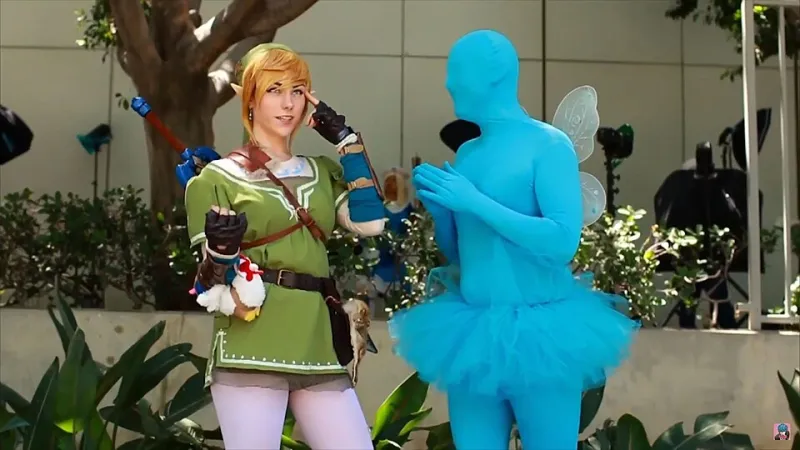
Beyond the official staff roles, conventions are economic ecosystems. Artists in the dealer hall, cosplay crafters selling commissions and tutorials online, photographers who specialize in convention shoots, panel hosts who build YouTube channels from their convention content — it all adds up. Some cosplayers have turned their craft into full sponsorship deals with wig companies, fabric brands, and even prop manufacturers.
The Skills That Actually Matter
Here's the honest part: passion alone doesn't pay the bills. What separates the fans who monetize from the ones who stay hobbyists is usually a mix of consistency, business literacy, and community investment.
Consistency means showing up — posting regularly, streaming on a schedule, taking commissions seriously as client work rather than casual favors. Business literacy means understanding contracts, taxes (yes, you have to pay taxes on Patreon income), and how to price your work without underselling yourself. And community investment means genuinely engaging with the people who follow your work, not just broadcasting into the void.
The platforms doing the heavy lifting right now: Patreon for recurring support, Ko-fi for one-off tips and commissions, Twitch and YouTube for live content, Etsy and Gumroad for digital and physical goods, and Discord for building the kind of tight-knit community that actually sticks around.
So, Is It Worth Trying?
Honestly? Yeah, probably — if you're realistic about the timeline. Nobody goes from casual fan to full-time anime entrepreneur overnight. But the infrastructure to support exactly that kind of career path is more developed now than it's ever been, and US fans are in a genuinely good position to take advantage of it.
The weeb economy is real. It's messy and competitive and sometimes frustrating, but it's real. And somewhere out there, someone is getting paid right now to do the thing you've been doing for free for years.
Might as well be you.