Voices on the Verge: The Hidden Crisis Reshaping Anime Dubbing in America
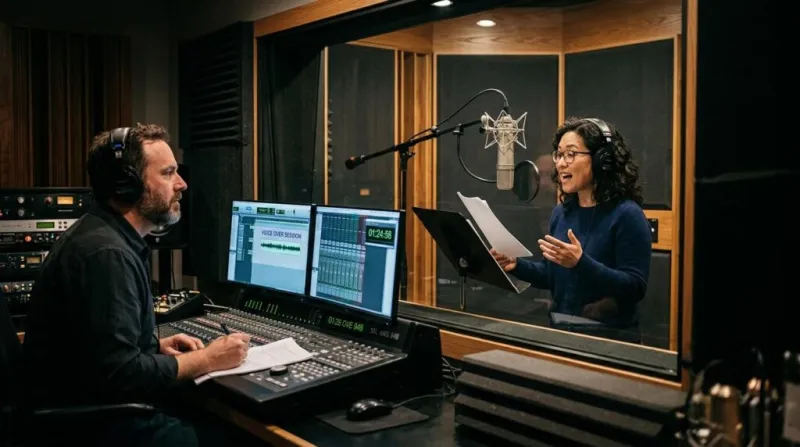
Photo: voice actor recording studio microphone headphones professional, via bdabooks.com.au
Pop on a new simulcast dub and something might feel... off. Maybe a character you've followed for three seasons suddenly sounds a little different. Maybe the delivery feels rushed, like the actor didn't quite have time to settle into the role. You're not imagining it. Something is genuinely shifting in the world of anime voice acting, and the people living it say the situation is more complicated — and more urgent — than most fans realize.
The Boom Nobody Planned For
Anime's explosion in the US market has been well-documented at this point. Streaming wars pulled every major platform into bidding for simulcast rights, and suddenly the demand for dubbed content shot through the roof. What wasn't ready for that explosion? The dubbing infrastructure.
Studios in cities like Houston, Los Angeles, and Dallas — long the backbone of English-language anime production — found themselves buried in orders. More shows, faster turnarounds, tighter budgets. The math just doesn't work out in the talent's favor.
"It used to be that you'd get a role and have real time to develop the character," says one veteran dub actor who asked to remain anonymous. "Now you're sometimes getting scripts the day before a session. You're doing cold reads on major emotional scenes. The quality is still there because these actors are professionals, but everyone is running on fumes."
Pay Rates That Belong in a Different Decade
Here's something the anime industry doesn't love talking about: English dub voice actors are frequently paid per episode or per session, and those rates have not kept pace with how much money anime is generating. A show that pulls in millions of streams on a major platform might pay its English voice cast rates that were considered standard a decade ago.
SAG-AFTRA has been pushing for better protections, and the 2023 strike action put some of these conversations front and center. But a significant portion of anime dubbing work still happens non-union, which means even less leverage for performers trying to negotiate fair compensation.
The downstream effect? Burnout is real. Some recognizable names have quietly stepped back from the grind of weekly dub work. Others take on so many simultaneous projects that their performances — inevitably — start to thin out. A few have left the industry entirely for work that pays more reliably.
On the Japanese Side, It's a Different Kind of Pressure
The crisis isn't purely an American story. In Japan, the seiyuu (voice actor) industry has its own structural problems. Training pipelines are long and competitive, and the top tier of talent — the names fans recognize — is spread impossibly thin across seasonal rosters that keep expanding.
Anime production seasons have ballooned in recent years. The spring 2024 season alone featured dozens of simultaneous new titles, many requiring full casts. The same small pool of A-list seiyuu keep getting tapped because studios want bankable names, which means those performers are booked solid while newer talent struggles to break through.
This creates a weird bottleneck: plenty of skilled voice actors exist, but the industry's risk aversion keeps opportunities concentrated at the top.
Enter AI — the Conversation Nobody Wants to Have
And then there's the elephant in the recording booth.
AI voice synthesis has gotten genuinely good, and the anime industry is paying attention. Some smaller localization studios have already begun experimenting with AI-assisted dubbing for secondary characters or crowd scenes — work that previously went to session actors building their resumes and their rent checks.
The SAG-AFTRA strike explicitly targeted AI voice cloning protections, and for good reason. Several voice actors have reported being approached about licensing their vocal likeness for AI training purposes, sometimes with contracts that weren't exactly transparent about the scope of use.
"The technology is outpacing the ethics conversation," one dubbing director told us. "I'm not anti-technology, but right now there are no real guardrails. Studios are figuring out what they can get away with, and performers are the ones absorbing the risk."
For fans, AI dubbing raises a different kind of question: if a character's voice is synthetically generated from a human actor's archived recordings, is that still the performance you fell in love with? The philosophical debate is fascinating. The practical labor implications are much less fun.
What This Means for Your Watch Queue
So what does all of this look like from your couch?
Expect more recasting. It's already happening, and it'll keep happening as overextended actors drop projects or price themselves out of non-union work. Expect some dub releases to feel slightly more mechanical — not because the actors aren't talented, but because the conditions don't allow for the kind of deliberate, character-building work that made classic dubs legendary.
And expect AI to quietly creep in at the edges before anyone officially announces it's there.
The good news is that advocacy is growing. Fan communities have gotten louder about crediting voice actors, supporting union productions, and pushing back when studios make decisions that devalue the humans behind their favorite characters. That pressure matters more than it might seem.
The Future of the Voice
Anime dubbing in America grew into something genuinely special — a localization culture that at its best doesn't just translate scripts but reimagines them for a new audience. That craft is worth protecting.
The people doing that work are asking for reasonable pay, sustainable schedules, and protection from having their voices turned into AI products without consent. Those aren't radical demands. They're the basic conditions under which good art gets made.
Next time a dub hits different — for better or worse — remember there's a real person on the other side of that microphone, probably juggling three other projects and wondering if the industry they love is going to love them back.