So Bad It Slaps: The Legendary Anime Dubs That Fans Can't Stop Quoting
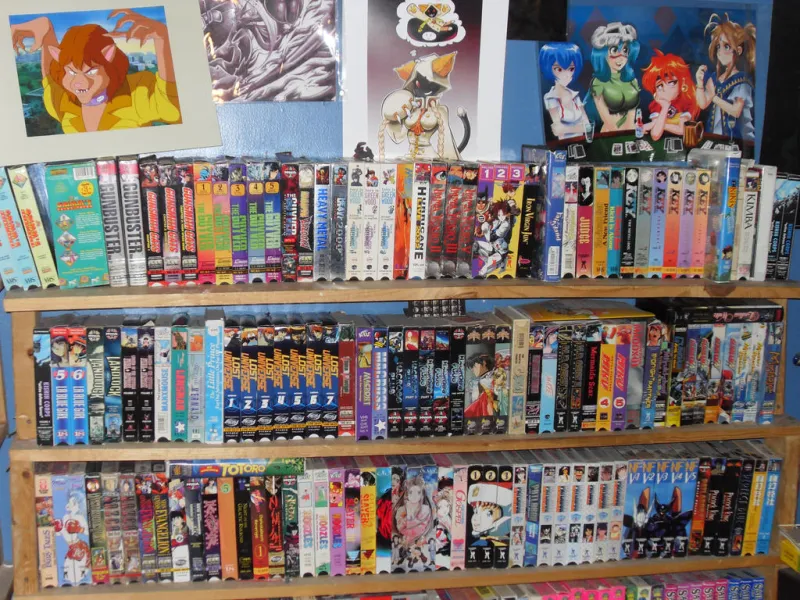
Photo: retro anime VHS tapes collection vintage television screen glow, via img09.deviantart.net
There's a very specific kind of joy that comes from watching something go wrong in exactly the right way. Not the cringe of a genuine failure, but the warm, communal delight of a disaster so committed, so thoroughly itself, that it loops back around into something genuinely special. Anime dubbing in the late '90s and early 2000s? That was peak disaster energy. And we love it.
Before Crunchyroll existed, before streaming made subtitles the default, and before localization studios had the budgets or the time to do things properly, American audiences were getting anime through a very particular filter. That filter was often underfunded, occasionally confused, and sometimes just making stuff up entirely. The results were chaotic. The results were also, in many cases, unforgettable.
The Perfect Storm of Early Localization
To understand why so many early dubs went sideways, you have to understand the conditions they were made under. Companies like 4Kids Entertainment were licensing properties with one primary goal: get it on TV, get it to kids, and do it fast. That meant tight deadlines, limited budgets for voice talent, and a mandate to scrub anything that might alarm American parents — which, in practice, meant rewriting huge chunks of dialogue, renaming characters, and occasionally changing entire plot points.
The technical side was brutal too. Lip-flap matching — making English words sync up with animated mouths moving in Japanese — is genuinely hard. When you're rushing and working with scripts that may have been translated through multiple layers, you end up with dialogue that technically fits the mouth movements but makes absolutely no logical sense in context. Add inexperienced voice direction and you've got a recipe for something that's either unwatchable or, if the stars align correctly, completely iconic.
The 4Kids Era: A Gift We Didn't Deserve
Let's talk about 4Kids, because we have to. Their handling of properties like One Piece and Yu-Gi-Oh! became legendary for reasons the studio definitely didn't intend. The One Piece dub in particular — where guns were edited into water pistols, cigarettes became lollipops, and the entire tone of a story about pirates was cheerfully neutered — became a case study in how not to localize an action series. Characters had their names changed, their backstories altered, and their dialogue rewritten to remove anything resembling actual stakes.
And yet. The 4Kids One Piece dub has a following. People watch it ironically, then accidentally sincerely, then just... regularly. There's something weirdly charming about the sheer confidence of it, the way it commits completely to its own bizarre vision of what the show should be. Clips still circulate on social media. Lines get quoted. It's a cultural artifact.
Yu-Gi-Oh! fared slightly better in terms of watchability, but the dub introduced its own legendary quirks — overwrought line deliveries, the endless references to the "heart of the cards," and a certain dramatic intensity that the original Japanese script didn't always support. None of that stopped it from becoming the version most American millennials grew up with and genuinely love.
When Bad Voice Direction Becomes Iconic
Not every legendary bad dub came from a major network. Some of the most beloved disasters came from smaller operations doing straight-to-video releases in the early days of the format. The Garzey's Wing dub — released in the late '90s — is frequently cited as one of the most entertainingly bad dubs ever committed to tape. The voice performances are delivered with such flat, bewildered energy that watching it feels like eavesdropping on a table read that accidentally got released as the final product.
The thing is, Garzey's Wing is genuinely confusing source material. The original anime is notoriously hard to follow. The dub, rather than clarifying anything, adds another layer of chaos through performances that seem to have been recorded in complete isolation from any directorial feedback. The result is something that has to be experienced to be believed — and that a dedicated community has been sharing and celebrating for decades.
The Ghost Stories Dub: Intentional Chaos as Art Form
Here's where it gets interesting. ADV Films' English dub of Ghost Stories — a middling Japanese horror-comedy that the original studio apparently gave the American team almost complete creative freedom over — is arguably the most successful example of a dub that leaned into chaos on purpose. The original show had no particular cultural footprint. So the ADV team decided to just... do whatever they wanted.
What followed was a dub filled with adult humor, fourth-wall breaks, completely fabricated character motivations, and jokes that had absolutely nothing to do with the source material. It was, by any traditional localization standard, a disaster. It was also hilarious. The Ghost Stories dub has become one of the most recommended "starter" watches for people curious about the dub culture phenomenon, and it holds up in a way that genuinely surprised even the people who made it.
Why We Actually Love These Things
There's a real cultural studies argument to be made here about why bad dubs become beloved. Part of it is nostalgia — these were the versions people grew up with, and affection for a flawed thing you loved as a kid is practically hardwired. But it's more than that.
Bad dubs, at their best, create a kind of shared language. Quoting a famously weird line is a way of saying "I know this thing, you know this thing, we are in this together." The imperfection is the point of connection. A perfectly smooth, invisible localization gives you the story. A gloriously broken one gives you the story and an experience — something to laugh about, argue about, and keep bringing up years later.
There's also something democratizing about it. The polished, prestige version of anime fandom can feel gatekeep-y sometimes. But everyone can enjoy a spectacularly wrong line reading. It's a low barrier to entry into the community, and it's genuinely funny in a way that doesn't require any background knowledge.
The Legacy Lives On
Modern dubbing is, objectively, much better. Studios have bigger budgets, more experienced voice directors, and a genuine understanding that American anime fans have sophisticated tastes. But that hasn't killed the love for the old disasters — if anything, the contrast makes them more charming.
Clip channels dedicated to iconic dub moments rack up millions of views. Convention panels about localization history are standing room only. The so-bad-it's-good dub is now a recognized genre, and the best ones have earned their place in the cultural record.
Sometimes the thing that goes wrong is the thing you remember forever. In anime dubbing history, that's not a bug. It's the whole point.