Welcome to the Club (Now Prove You Deserve to Be Here): Anime Fandom's Endless Identity Crisis
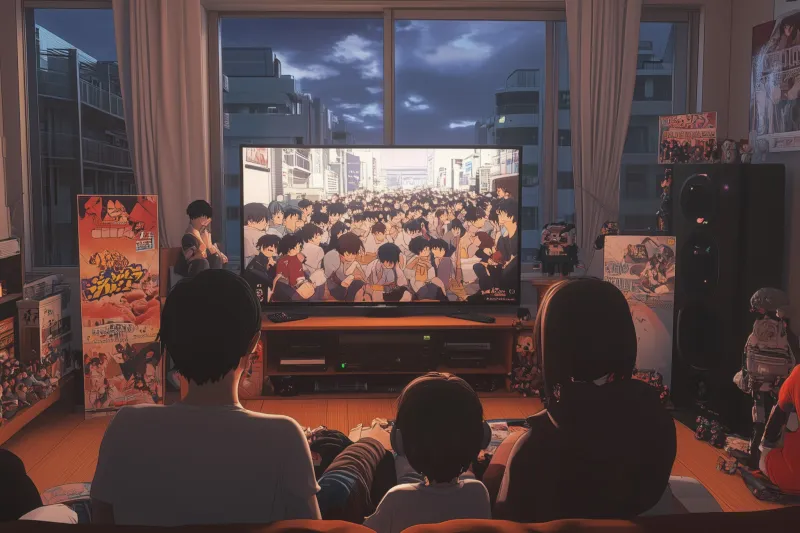
Photo: diverse group of young people watching anime together on couch, via jw-webmagazine.com
Somewhere on Reddit right now, someone is posting a heartfelt beginner's guide to anime with a title like "No gatekeeping here, just come as you are!" and getting 12,000 upvotes from people who genuinely mean it. Three threads down, someone else is getting absolutely torched for saying they liked the Fullmetal Alchemist 2003 anime "just as much" as Brotherhood. Both things are real. Both things are anime fandom in 2024.
This is not a contradiction that can be resolved with a single take. It's a feature of how modern anime communities actually work — sprawling, decentralized, passionate to the point of volatility, and deeply uncertain about who they're for and what they're protecting.
The Welcome Mat Is Real (And So Is the Bouncer)
Let's be fair to the welcoming side first, because it's genuinely significant. The growth of anime in the US over the last decade has been met with a real, measurable effort from large parts of the community to make newcomers feel included. Platforms like Crunchyroll have leaned into beginner-friendly content. Subreddits have formalized rules against harassment. TikTok communities built around anime have developed a culture of enthusiastic recommendation that's genuinely infectious.
Fans who've been in the space for years will tell you this is a real shift. The early 2000s anime community — particularly in American spaces — had a reputation for being punishing toward casual fans. The "real fan" hierarchy was explicit and enforced. You had to have seen the right shows, in the right format (subbed, obviously), and have opinions calibrated to the correct level of obscurity.
That culture hasn't disappeared. But it's no longer the dominant voice in most major spaces. The sheer scale of anime's mainstream popularity has diluted it, and a generation of fans who got into the medium through accessible entry points like My Hero Academia or Demon Slayer have less patience for the old gatekeeping orthodoxy.
But Then There's the Other Side of That Same Coin
Here's where it gets messy. The communities that are most aggressively welcoming to newcomers are often the same communities that have developed their own, newer forms of exclusion — just with different targets.
Shonen fandom is a useful case study. Spaces built around mainstream action series like Naruto, One Piece, and Dragon Ball are genuinely open to beginners, but they've developed intense internal hierarchies around "power scaling" debates, canonical interpretations, and the correct emotional response to specific story beats. Get the wrong read on a character's arc and you're not a newcomer who needs help — you're a bad-faith actor who doesn't respect the source material.
Slice-of-life communities operate on a completely different axis. Shows like Mushishi, K-On!, and A Silent Voice attract fans who've explicitly rejected the intensity of shonen spaces, and they're often fiercely protective of that vibe. Bring too much "this would never happen in a real anime" energy and you'll find out very quickly that chill communities have limits.
Manga purists deserve their own paragraph entirely. The "the manga does it better" crowd has elevated their preference into something approaching a moral position. Anime adaptations that cut content, change endings, or (god forbid) add filler are treated not just as inferior products but as acts of cultural harm. Fans who discovered a series through the anime and haven't read the manga are sometimes treated with a combination of pity and suspicion that's hard to describe as welcoming by any measure.
What Are People Actually Protecting?
This is the question that gets at the heart of the paradox. When someone gatekeeps — when they quiz a newcomer on their anime credentials or dismiss a popular series as "not real anime" — what are they actually doing?
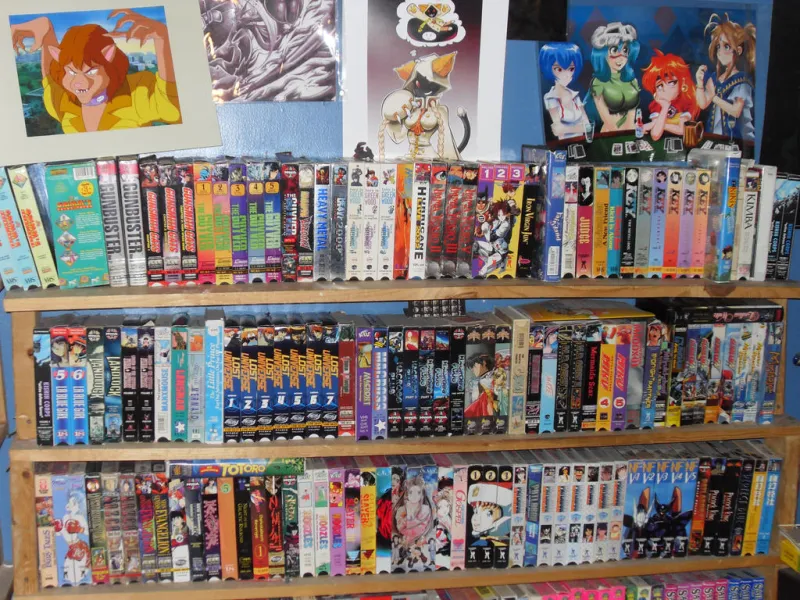
For some fans, it's straightforward defensiveness. Anime was a niche interest for a long time in the US, and being a fan carried real social costs. Getting into it required effort: tracking down fansubs, buying expensive imported DVDs, defending your hobby to people who thought cartoons were for kids. The depth of engagement was part of the identity. When the mainstream arrived and made it easy, something felt lost.
For others, it's about quality control — a genuine (if often misdirected) concern that the growth of casual fandom will pull the discourse toward the lowest common denominator. If everyone's opinion counts equally, does the person who's watched three popular Netflix anime really have as much to contribute as someone who's spent years in the medium?
And for a third group — probably larger than anyone wants to admit — it's just the pleasure of belonging to something exclusive. Gatekeeping feels good if you're on the inside. The in-group identity gets stronger every time someone is found unworthy of it.
Is Any of This Actually Hurting Anime's Growth?
Honestly? Probably not as much as the discourse suggests. Anime's American audience has grown through every cycle of community toxicity and fandom drama that's hit the space. The product is compelling enough to survive its own community's worst impulses.
What the gatekeeping does affect is depth of engagement. New fans who hit a wall of hostility when they try to go deeper — who get dismissed when they ask questions or mocked for their entry points — don't necessarily leave anime. They just stay at the surface. They watch the popular shows, enjoy them, and don't bother engaging with the communities that would have pushed them toward more adventurous picks.
That's a slow bleed on the culture side. The fans who might have become the next wave of deeply engaged community members, the ones who'd eventually be writing the beginner guides and running the Discord servers, get filtered out before they develop that level of investment.
The Contradiction Isn't Going Anywhere
Anime fandom is not going to resolve this tension. The medium is too big, the communities too fragmented, and the identity stakes too high for any kind of unified cultural policy to take hold. What will keep happening is exactly what's happening now: pockets of genuine warmth existing alongside pockets of genuine hostility, often within the same platform, sometimes within the same thread.
The most honest thing you can say about modern anime fandom is that it reflects American fandom culture broadly — enthusiastic, generous, deeply weird, and occasionally its own worst enemy. The welcome mat is real. So is the bouncer. Learn to read the room and you'll probably be fine.
Just maybe don't say the 2003 FMA is better than Brotherhood in public. Some hills aren't worth dying on.